
Children laughed as they passed the house.
Between their voices, I caught a phrase only you used.
I ran outside and watched the kite runners.
“I’ll tell you about this next time,” I paused.
This section explores how memory returns unexpectedly.
Not through deliberate remembrance,
but through ordinary sounds.
The laughter of children passing by the house becomes a trigger for memory. Their voices are not directly connected to the absent person, yet somewhere between them, the subject hears a phrase once deeply familiar.
A single expression.
A way of speaking.
Something small enough to seem insignificant to others—
yet powerful enough to reopen emotional presence.
That is one of the quietest truths about memory:
Sometimes people return to us through language before they return through thought.
It is fascinating how certain memories of people who once held an important place in our hearts can be awakened by the smallest things—a phrase, a tone, a laugh drifting through ordinary moments.
And perhaps one of the strangest parts of grief is realizing how routines and habits once shared with someone suddenly stop existing when they are no longer part of your life.
The process of moving on becomes complicated because memory rarely leaves all at once.
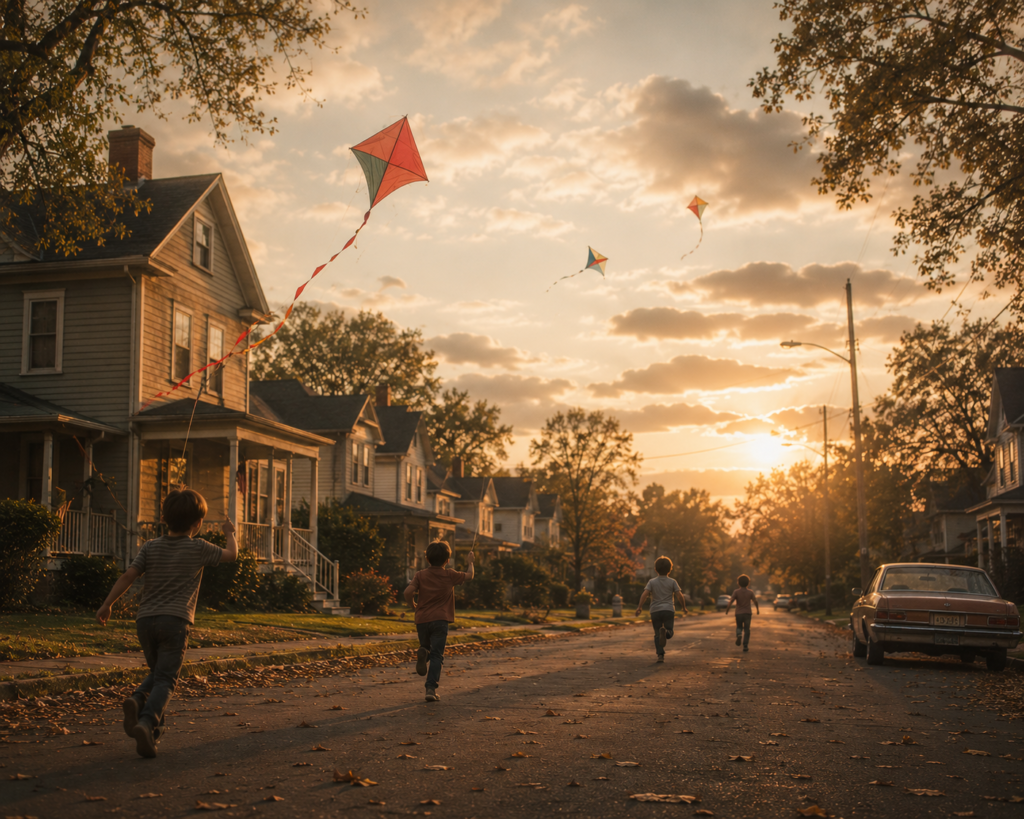
“Between their voices, I caught a phrase only you used.”
This line emphasizes how deeply certain people become embedded within us.
Not only through grand memories,
but through the smallest details:
their vocabulary,
their tone,
their mannerisms,
the phrases repeated so often they begin living inside our own internal voice.
And when closeness deepens enough, people begin sharing each other’s language.
Sometimes, they even create one of their own—private expressions, inside jokes, familiar rhythms that only the two of them understand.
In this line, the phrase itself remains purposefully and intentionally unnamed.
And perhaps that is what makes it more powerful.
I considered that readers instinctively understand the experience:
hearing something ordinary and suddenly being transported somewhere emotionally distant.
The Thought Behind the Line
When I wrote this section, I was thinking about how memory hides inside everyday things.
Sometimes it is not photographs or letters that bring someone back.
Sometimes it is a phrase overheard in public.
A certain laugh.
A familiar gesture.
The way someone pronounces a word.
And suddenly, someone who has not been present for years feels painfully near again.
I think that is what makes emotional attachment difficult to fully escape.
People unknowingly leave traces of themselves within us.
Even after relationships end, fragments remain in language, routines, habits, and memory.
I wanted this section to feel accidental—because longing often appears unexpectedly.
Not when we prepare for it,
but when life catches us off guard.
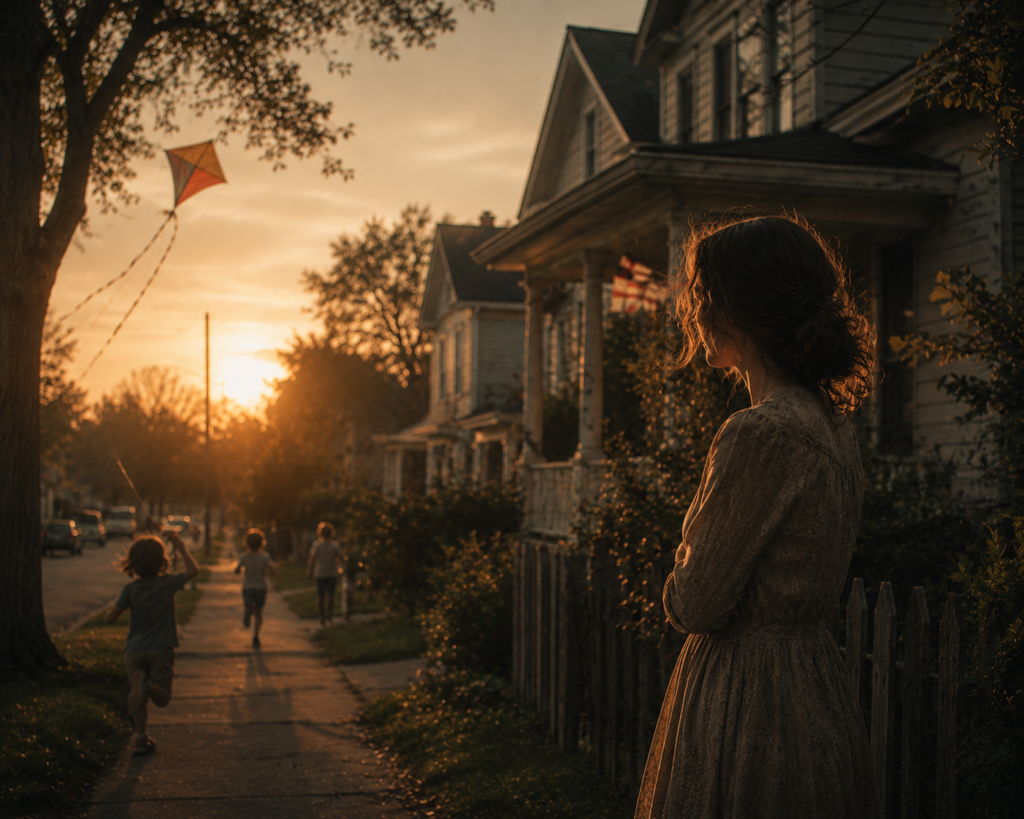
“I ran outside and watched the kite runners.”
“I’ll tell you about this next time,” I paused.
The imagery becomes softer here, almost childlike.
Kite runners symbolize movement, freedom, innocence, and fleeting joy. They contrast the heaviness of the subject’s emotional state.
For a brief moment, the subject instinctively turns toward connection again.
The line:
“I’ll tell you about this next time”
reveals habit overtaking reality once more.
The subject still thinks in future conversations.
Still imagines sharing moments.
Still instinctively reaches toward someone emotionally absent.
But then comes the pause.
That interruption matters deeply.
Because within that pause lives realization.
The recognition that there may not be a next time after all.
The Aftermath of Losing Closeness
I think one of the most painful moments after losing closeness with someone is realizing how often you still speak to them internally.
You experience something funny,
beautiful,
or strange—
and your first instinct is still:
I should tell them about this.
And then reality interrupts.
That pause in the poem came from that exact feeling.
The sudden silence after remembering the person no longer occupies the same role in your life.
I used kite runners because they reminded me of fleeting childhood moments—things beautiful precisely because they cannot stay still forever.
Maybe relationships can feel that way too.
Temporary.
Fragile.
And impossible to fully hold onto.

“My eyes caught two shadows learning the same direction—a little life I once wanted.”
This may be one of the most emotionally vulnerable sections in the poem.
The image of “two shadows learning the same direction” symbolizes partnership, growth, and shared movement through life.
The subject witnesses a version of the future they once imagined for themselves.
Not necessarily something dramatic—just companionship.
A life moving beside another life.
The phrase “a little life I once wanted” carries quiet grief because it acknowledges not only the loss of a person, but the loss of imagined possibilities.
The future itself changed.
“for the hand that never asked why.”
This line reflects unconditional emotional safety.
The absent figure once represented comfort without explanation. A presence that did not require constant justification or defense.
And because of that, the absence becomes even heavier.
The subject is not only grieving who the person was,
but how safe they once felt beside them.
I thought about how each friendship in different stages of my life carried a different purpose.
One friendship accompanied me through awkward girlhood.
Another became my safety net during difficult college years.
Another became comfort during the uncertainty of my twenties.
And sometimes, when I think of them in passing, I realize they shaped my life in ways they may never fully know.
I often wonder whether I ever changed their lives the way they changed mine.

“Dust gathered where my fingers used to reach.”
Dust becomes symbolic here.
It represents time,
neglect,
stillness,
and emotional abandonment.
The reaching has stopped.
The connection, once instinctive, has remained untouched long enough for dust to settle over it.
And yet, the subject still notices it.
Reaching for Their Hands
This part of the poem came from realizing that sometimes we grieve futures as much as people.
Not only who someone was—but who we imagined becoming beside them.
I think everyone has experienced moments where they quietly envisioned a life with someone:
simple routines,
shared spaces,
growing older together,
small domestic happiness.
And when relationships disappear, those imagined futures disappear too.
The line about “the hand that never asked why” was deeply personal to write.
I think one of the rarest things in life is finding someone beside whom you do not constantly feel the need to explain yourself.
Someone whose presence alone feels reassuring.
And losing that kind of connection changes how silence feels afterward.
The dust imagery reflected emotional distance settling over time.
Not dramatic destruction.
Just slow abandonment.
And for someone who has experienced betrayal, abandonment, and being left behind repeatedly in friendships, there is a kind of pain time does not completely erase.
The rumination still happens.
Even years later.
And perhaps that, too, is part of healing.
Longing Through Small Things
Part 3 understands that grief rarely appears through grand gestures.
Instead, it returns through:
familiar phrases
laughter drifting outside a window
future conversations that never happen
and empty spaces where connection once existed naturally
The poem continues showing how absence quietly embeds itself into ordinary life.
And perhaps that is why memory feels so difficult to escape.
Because it does not only live in the past.
It lives in everyday moments that continue happening without the person beside us.
The Inescapable Web of Memory
Sometimes people return to us unexpectedly—
through a familiar phrase,
through laughter drifting outside a window,
through futures we once imagined too clearly.
And sometimes,
the hardest thing to grieve
is not only the person who left—
but the life that quietly left with them.
Continue Reading This Series
- Part 1 – The Alcove & The Beginning of Absence
- Part 2 – Footsteps Rehearsing their Leaving
- Part 3 – Echoes of Familiar Voices
- Part 4 – Places that Only Exist Together
- Part 5 – The Weather of Memory
- Part 6 – Storms, Windows, & The Persistence of Light
- Part 7 – Which Silence Holds You Now?
- Part 8 – Returning to the Field
- Part 9 – Returning to the Quiet